memedics · ·
 memedics
We gather newly rising and long-lasting memes. We don't judge — we show them as-is. The interpretation is up to you.
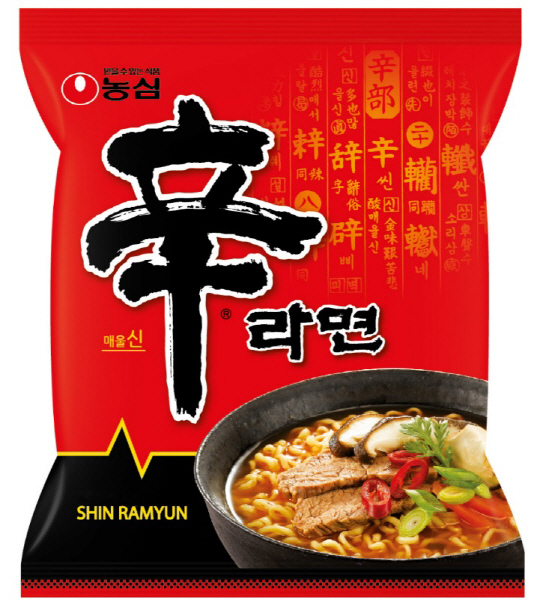
An internet nickname for Shin Ramyeon (a popular spicy instant noodle brand). The Hanja character "辛" (meaning "spicy") printed on the package, in its stylized font, looks like it could be read as the Korean syllable "푸" (pu) — a visual/font-based letter pun similar to leetspeak.
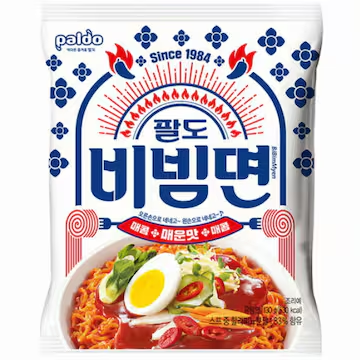
A playful "yaminjeongeum" (a Korean wordplay style that reinterprets how hangul letters visually look) term for "bibimmyeon" (spicy cold mixed noodles). The hangul characters of "비빔면" (bibimmyeon), when their shapes are read differently, visually resemble "네넴띤" (nenemttin) — a purely visual letter-swap pun with no real meaning.
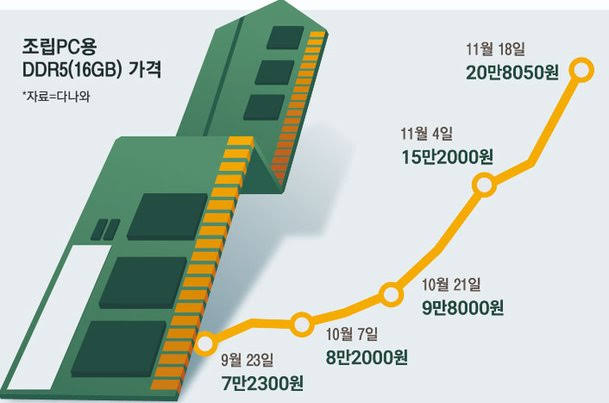
A portmanteau of "chip" (semiconductor) and "inflation": a phenomenon where soaring semiconductor prices push up the prices of end products that use them, such as smartphones, laptops, cars, and appliances.
Behind-the-scenes story from the drama "Dae Jang Geum": actor Im Ho kept repeating the line "It's delicious" every episode, and asked the director if that was really his only line. The director then changed it to "It tastes so good" instead. Im Ho revealed this anecdote himself on TV Chosun's "What Did the King Eat."

A nickname for Nongshim's "Noguri" ramyeon brand. When the Korean logo is flipped upside down, it visually resembles the English letters "RtA." The nickname originated among overseas direct-purchase communities, where foreigners unable to read Korean would flip the package and read it as "RtA."
In the web3/crypto world, "yapping" means promoting a project and driving engagement (views, comments, shares) in exchange for coin/token rewards. The term comes from the English slang "to yap" (to chatter), which evolved into a marketing tactic known as InfoFi.

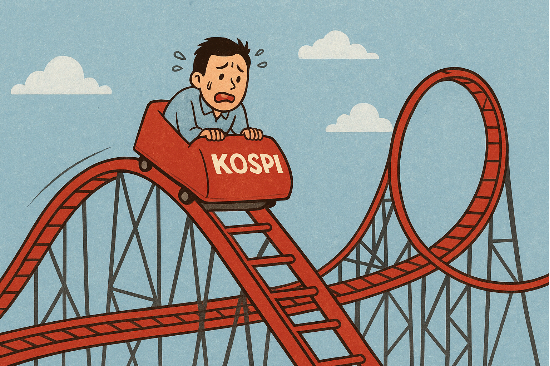
A portmanteau of KOSPI (Korea's stock index) and "rollercoaster," describing extremely volatile markets that surge and crash repeatedly over a short span.
A catchphrase by RESCENE member Minami, delivered in a gyaru persona: "Geoje Yaho~" (Geoje is a Korean island; "yaho" mimics the Japanese casual greeting "yahho," used lightly among young women). It went viral on social media and short-form video from May 2026, becoming RESCENE's signature meme and driving a surge in the group's recognition and music streams.

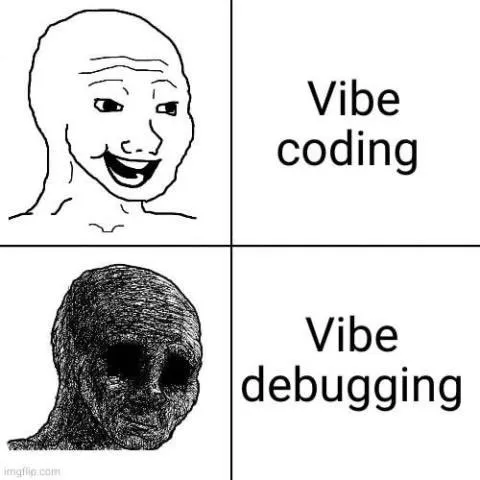
A new style of programming where, instead of writing strict syntax and logic, you simply describe your idea and the desired "vibe" in natural language, and an AI generates working code for you.
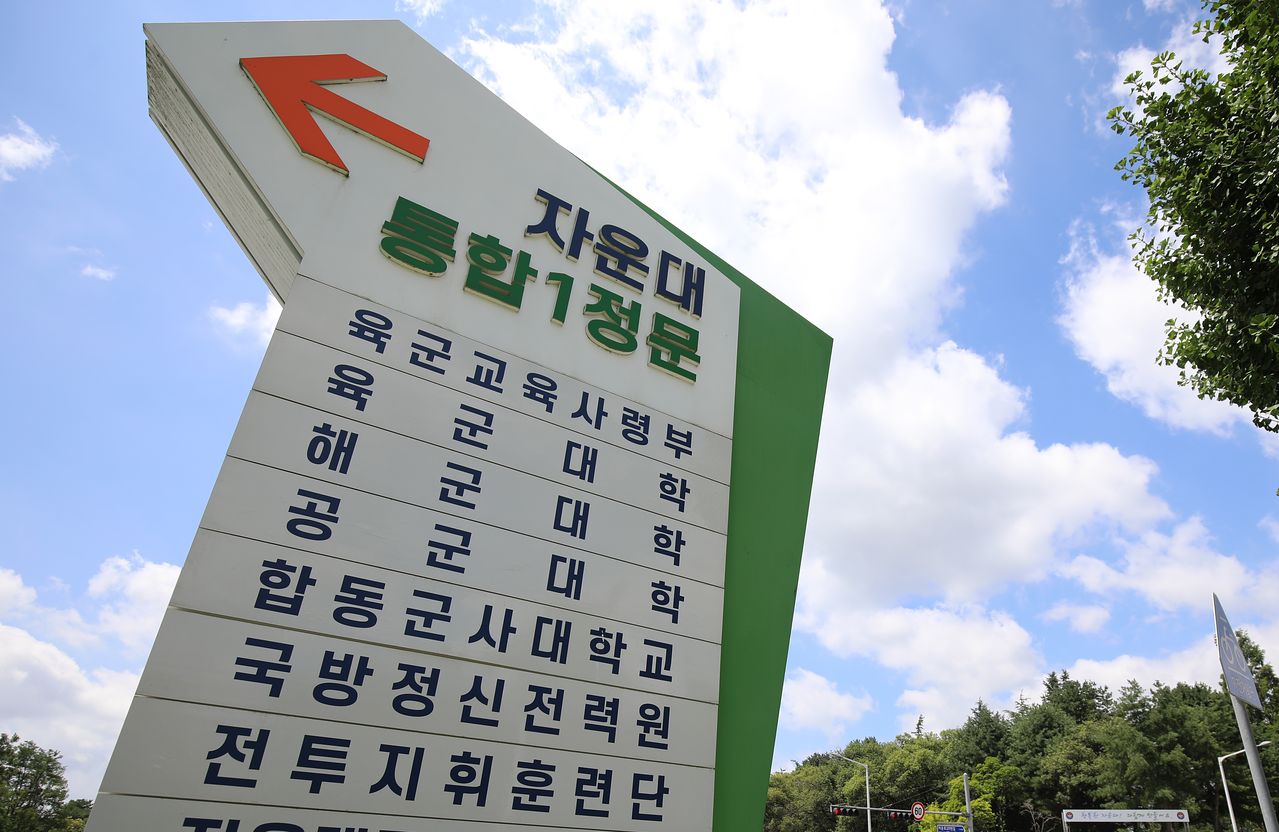
A common nickname for the cluster of Korean military education and training facilities in the Jaun-dong, Sinbong-dong, and Chumok-dong area of Yuseong-gu, Daejeon. The name comes from the neighborhood "Jaun-dong" and has become standard shorthand both inside and outside the military.
A portmanteau of "jwapa" (leftist) and "ppalgaengi" (commie/red), this is a derogatory Korean political slur used to mock or attack people seen as strongly progressive or pro-North Korea. Its ideological opposite slur is "sukkol" (used against the far right).
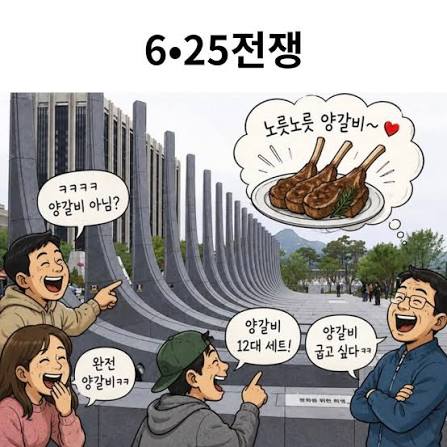
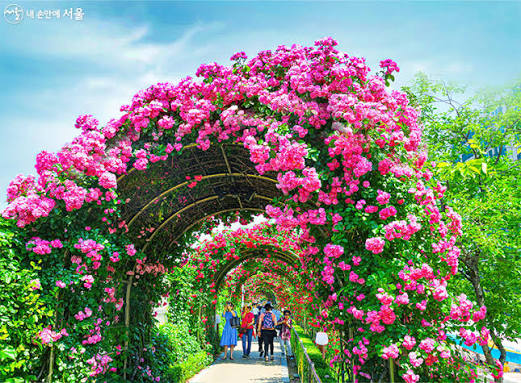
A warm, well-wishing phrase expressing hope that someone's future will be smooth and full of happiness, free of hardship — literally "may you walk only on paths of flowers."
A mocking nickname aimed at singer Kim Jang-hoon's distinctive (and much-derided) singing style. What started as internet trolls' ridicule of his vocals spiraled into an affectionate meme ecosystem that ironically boosted his public visibility.
"Zalpha Generation" blends Gen Z and Gen Alpha, a coined term covering people born from the mid-1990s to early 2000s (Gen Z) together with those born after 2010 (Gen Alpha).
A character from the YouTube comedy team Chimtoobu's content -- someone who shows up on the subway decked out in loud, cheap clothes bought from Temu, acting flashy and full of swagger.

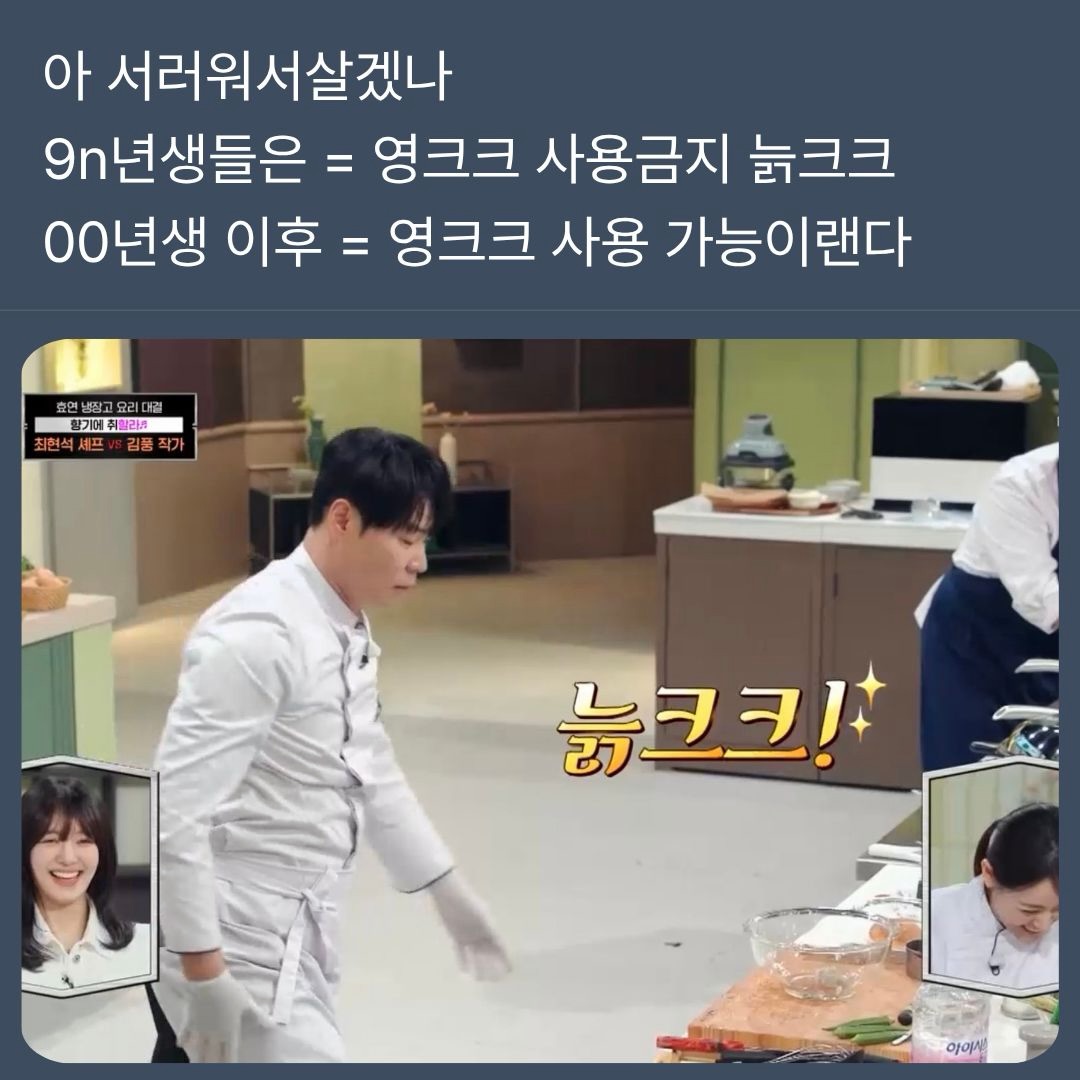
The counterpart to "Youngkeukeu" -- a self-deprecating term older generations use to describe themselves as people who still remember old songs and culture.
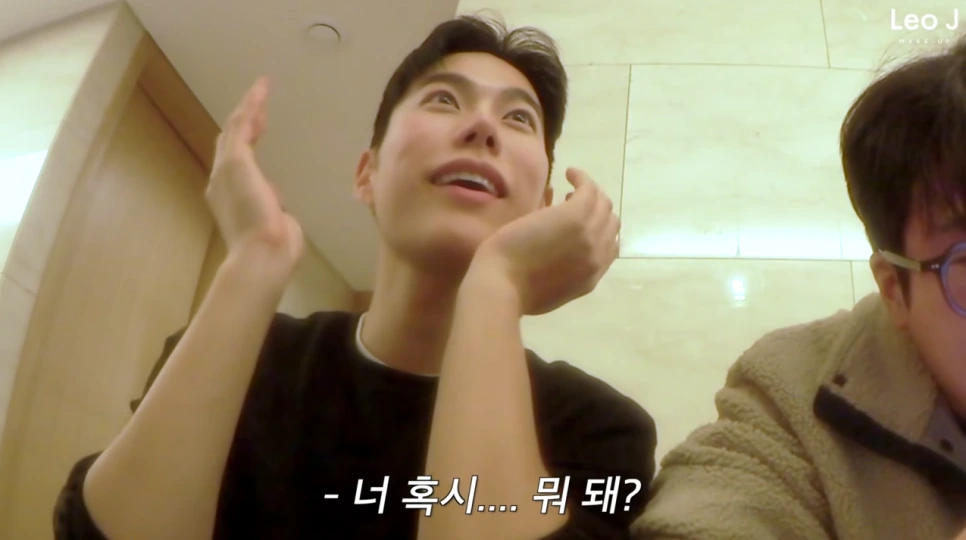
Means "who are you to say that" -- a retort thrown at someone acting presumptuous or arrogant. Spread via clips from the dating show "Getting Beaten Before It Happens."
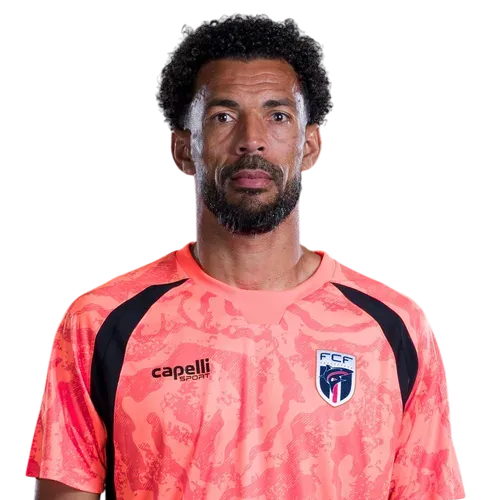
The name of Cape Verde's breakout goalkeeper at the 2026 World Cup, "Vozinha," which sounds like a Korean vulgar word, making it a meme in Korean football communities.
A euphemistic Korean invitation to come inside after a date -- Korea's version of "Netflix and chill."

The state of being trapped in a group chat where unread messages pile up explosively, making it impossible to ever catch up or leave.
An ironic meme phrase used more often sarcastically than sincerely, to mock rather than praise.
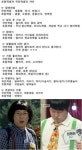
"Break someone's ttukbaegi" means "hit them in the face." Originated as Busan slang comparing a head to an earthenware pot, now a common tough-guy threat used as a meme.

A DC Inside mashup-meme forum, the birthplace of Korean internet meme culture. Classics like "I'm Gojarani" and "Ppappinom" originated here.

Short for "jjallim bangji" ("prevent [post] deletion"). Originally images attached to forum posts so they wouldn't get deleted for lacking content; now means any meme image itself.