memedics · ·
 memedics
We gather newly rising and long-lasting memes. We don't judge — we show them as-is. The interpretation is up to you.
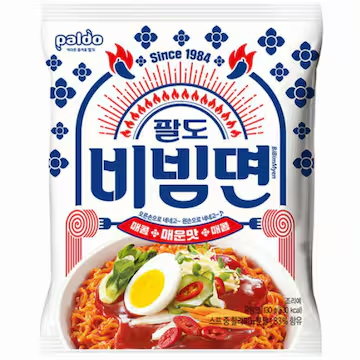
A playful "yaminjeongeum" (a Korean wordplay style that reinterprets how hangul letters visually look) term for "bibimmyeon" (spicy cold mixed noodles). The hangul characters of "비빔면" (bibimmyeon), when their shapes are read differently, visually resemble "네넴띤" (nenemttin) — a purely visual letter-swap pun with no real meaning.
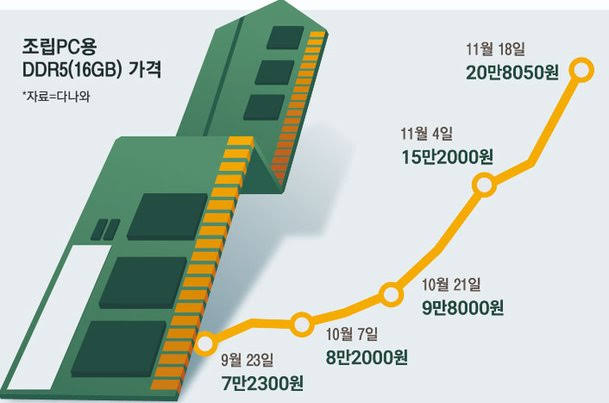
A portmanteau of "chip" (semiconductor) and "inflation": a phenomenon where soaring semiconductor prices push up the prices of end products that use them, such as smartphones, laptops, cars, and appliances.
In the web3/crypto world, "yapping" means promoting a project and driving engagement (views, comments, shares) in exchange for coin/token rewards. The term comes from the English slang "to yap" (to chatter), which evolved into a marketing tactic known as InfoFi.

A portmanteau of KOSPI (Korea's stock index) and "rollercoaster," describing extremely volatile markets that surge and crash repeatedly over a short span.

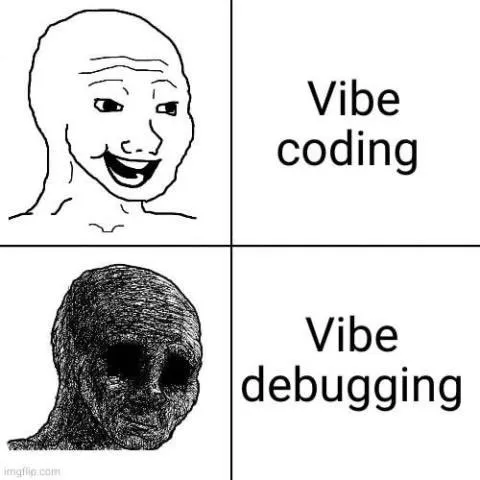
A new style of programming where, instead of writing strict syntax and logic, you simply describe your idea and the desired "vibe" in natural language, and an AI generates working code for you.
A portmanteau of "jwapa" (leftist) and "ppalgaengi" (commie/red), this is a derogatory Korean political slur used to mock or attack people seen as strongly progressive or pro-North Korea. Its ideological opposite slur is "sukkol" (used against the far right).
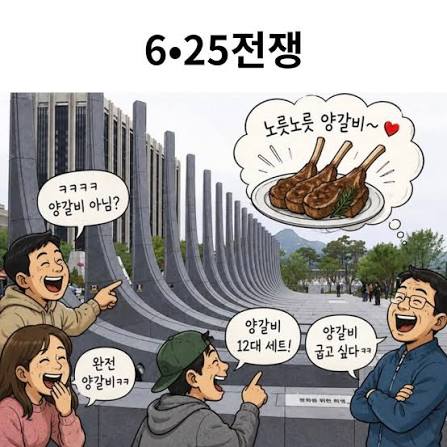
"Zalpha Generation" blends Gen Z and Gen Alpha, a coined term covering people born from the mid-1990s to early 2000s (Gen Z) together with those born after 2010 (Gen Alpha).
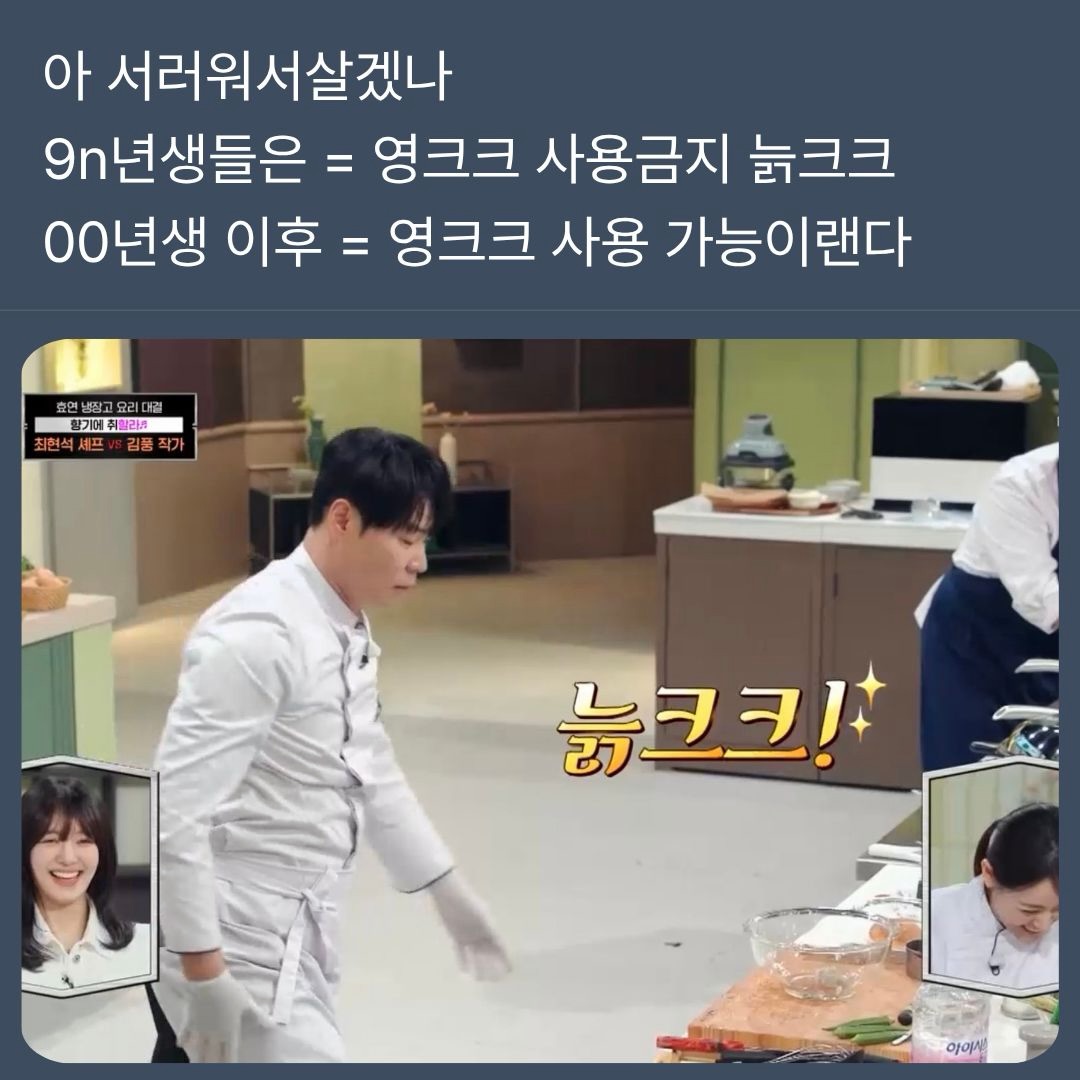
The counterpart to "Youngkeukeu" -- a self-deprecating term older generations use to describe themselves as people who still remember old songs and culture.
Short for "gakdoga naonda" (the odds/vibe for X are showing) — a slang suffix meaning "this looks headed toward X," as in "matjip-gak" (looks like a good restaurant) or "hapgyeok-gak" (looks like a pass).

Slang meaning "amazing" or "insane" — a signature exclamation of geupsikche (school-cafeteria slang), used in phrases like "ojineun mat" (insanely good taste).

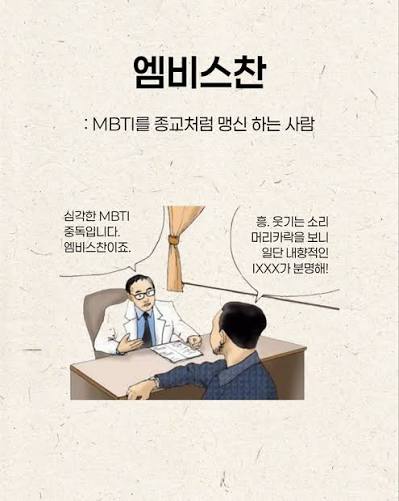
A blend of "MBTI" and "motae-sinang" (a Christian raised in the faith from birth), coined to mock people who treat MBTI like a religion — instantly sorting anyone they meet into one of the 16 types. Used to gently tease someone overly obsessed with MBTI.
An awkward pre-dating stage before officially becoming a couple -- a pun on "sagwida" (to date) with "sam" (three), evoking a vague, in-between relationship.