memedics · ·
 memedics
We gather newly rising and long-lasting memes. We don't judge — we show them as-is. The interpretation is up to you.
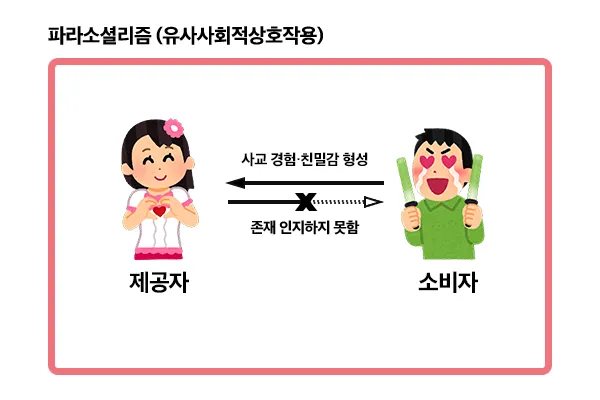
A one-sided sense of intimacy felt toward a celebrity, YouTuber, or AI you've never actually met. Cambridge Dictionary's 2025 Word of the Year.
Point of View. A meme structure for short-form videos framed as "the situation where you are OO." A global-standard meme format.

A state of endlessly consuming meaningless content until your brain feels like it's "rotting." Oxford's 2024 Word of the Year.
"Very demure, very mindful." A meme about acting humble and composed -- self-consciously modest. Went globally viral in late 2024.

English interjection meaning "no way." Exploded as a reaction meme for shutting down claims in short-form video. Also used in Korea phonetically as "neoheo~."

A K-pop group releasing a new album is called a "comeback"; the word has spread into everyday speech to mean simply "I'm back."

From the English word "something." Refers to the ambiguous stage right before officially becoming a couple, as in "우리 썸 타는 거 아니야?" ("aren't we kind of a thing?").
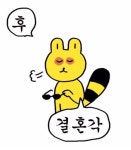
Transliteration of "born to be"; a compliment meaning someone was naturally destined for a role, as in "걔는 본투비 리더야" ("she's born to be a leader").

Korean transliteration of the English phrase "cheer up," used to encourage someone. Famous as a Twice song title; used as "cheer up 해봐" ("try to cheer up").

From the English word "villain," but in Korean usage it means a disruptive, inconsiderate character -- as in "subway villain" or "cafe villain."

Korean abbreviation of "Work-Life Balance" -- an essential term for anyone with an office job.

English slang for charisma or the ability to attract romantic interest. Used in Korea too, as in "he's got rizz."

Short for "suspicious." Originated from the game Among Us and became a fixed reaction for calling someone or something suspicious.

An English phrase of resigned acceptance. In Korea it's used with the same nuance as the native expression "byeolsu-eopji" (nothing can be done about it).

"Greatest Of All Time." An English acronym meme used to declare someone or something the best ever. In Korea it's used interchangeably with the native slang "gat-ya" (god-tier).

Leading a team to victory in a game — now also used in everyday life, as in "I carried the whole project by myself."

Short for "Good Game." Originally a polite sign-off at the end of a match, it's now also used to mean "it's over" or "I lost."
"Too Much Information" -- oversharing details nobody asked for. "TMI, but..." has become a common conversational opener.